
How to Start a Small Herb Garden Indoors: A Beginner’s Guide
Starting a small herb garden indoors is a rewarding way to add fresh flavors to your cooking and bring a touch of greenery into your home. Whether you have a sunny windowsill or a small corner of your kitchen, growing herbs indoors can be easy and fun—even if you don’t have a lot of gardening experience. This guide will walk you through everything you need to know to set up your own indoor herb garden successfully.
Why Grow Herbs Indoors?
Indoor herb gardens offer several benefits:
– Freshness: Pick fresh herbs anytime you want without trips to the store.
– Convenience: Herbs right in your kitchen make cooking easier and more enjoyable.
– Year-round growing: Unlike outdoor plants, indoor herbs aren’t limited by seasons.
– Decor: Herbs add beauty and a pleasant scent to your living space.
Choosing the Right Herbs for Indoor Growing
Not all herbs thrive indoors, so start with varieties known for being low-maintenance and suitable for indoor conditions:
– Basil: Needs bright light and warmth, great for Mediterranean dishes.
– Parsley: Can tolerate lower light, a versatile herb.
– Mint: Easy to grow, but best kept in its own container to prevent spreading.
– Chives: Compact and hardy, perfect for small spaces.
– Thyme: Requires good light and well-drained soil.
– Oregano: Needs bright light and is drought-tolerant.
– Cilantro: Prefers cooler conditions and frequent watering.
Try selecting two or three to start so you can manage their care more easily.
Selecting Containers and Soil
Containers
Use pots with drainage holes to avoid waterlogged roots. Options include:
– Ceramic or clay pots for breathability.
– Plastic pots for lightweight and affordability.
– Recycled containers (like mason jars with added drainage) for a DIY touch.
Choose containers that fit your available space but provide enough room for roots to grow—generally, 4-6 inches deep.
Soil
Select a high-quality potting mix designed for indoor plants or herbs. Avoid garden soil, which may be too dense and contain pests. You can also use a mix with added perlite or vermiculite for better drainage.
Finding the Perfect Spot
Herbs need plenty of light to grow well indoors. Aim for:
– South-facing windows: Provide the most sunlight throughout the day.
– East or west windows: Can work if south-facing is not available.
– Supplemental lighting: If natural light is limited, consider using LED grow lights for 8-12 hours daily.
Keep herbs away from cold drafts, heating vents, and areas with fluctuating temperatures.
Planting Your Indoor Herb Garden
You can start herbs from:
– Seeds: More economical but requires patience and a bit more care.
– Starter plants: Available at garden centers or nurseries, these give a head start.
Steps to plant:
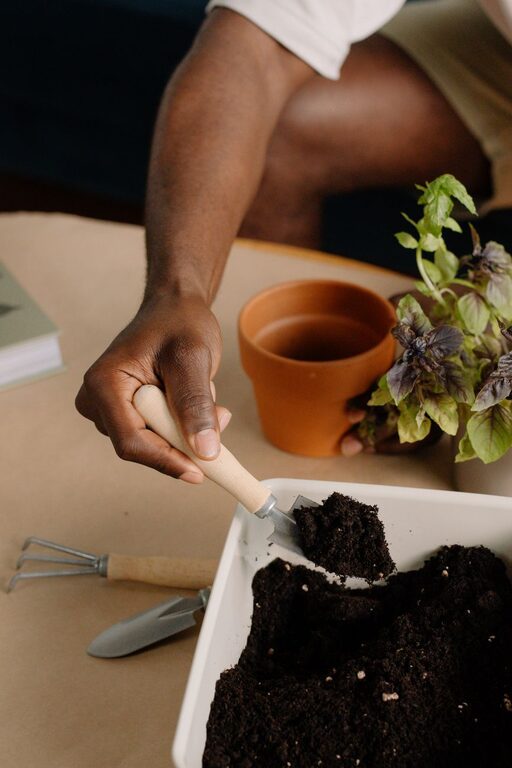
- Fill pots with potting soil, leaving about an inch from the top.
- Moisten soil lightly before planting.
- Sow seeds according to the packet instructions or plant starter herbs at the same soil depth they were growing in.
- Water gently and place pots in your chosen spot.
Caring for Your Indoor Herbs
Watering
Most herbs prefer soil that’s moist but not soggy. Check soil moisture by touching the surface—water when the top inch feels dry. Avoid overwatering as this can cause root rot.
Feeding
Use a diluted liquid fertilizer designed for herbs or houseplants once every 4-6 weeks during the growing season.
Pruning and Harvesting
Regular harvesting encourages bushier growth:
– Pinch off the tips of stems regularly.
– Remove any yellow or dead leaves.
– Avoid harvesting more than one-third of the plant at a time.
Pest Management
Common indoor pests include aphids and spider mites. Use gentle methods like wiping leaves with a damp cloth or spraying with diluted soap solution if pests appear.
Troubleshooting Common Problems
– Leggy growth: Insufficient light—move plants to a brighter spot.
– Yellow leaves: Overwatering or poor drainage.
– Slow growth: Lack of nutrients or light.
– Wilting: Could be underwatered or root-bound—check soil moisture and repot if needed.
Tips for Success
– Rotate your pots regularly so all sides get light evenly.
– Group plants with similar water needs together.
– Keep a spray bottle handy for misting herbs like mint and basil.
– Experiment with different herbs to find what grows best in your space.
Final Thoughts
Starting an indoor herb garden is straightforward and enjoyable. With a little attention to light, water, and soil, you can enjoy fresh herbs year-round and add natural beauty to your home. Whether you cook often or just want a simple green project, indoor herbs are a perfect place to start.
Happy gardening!
