
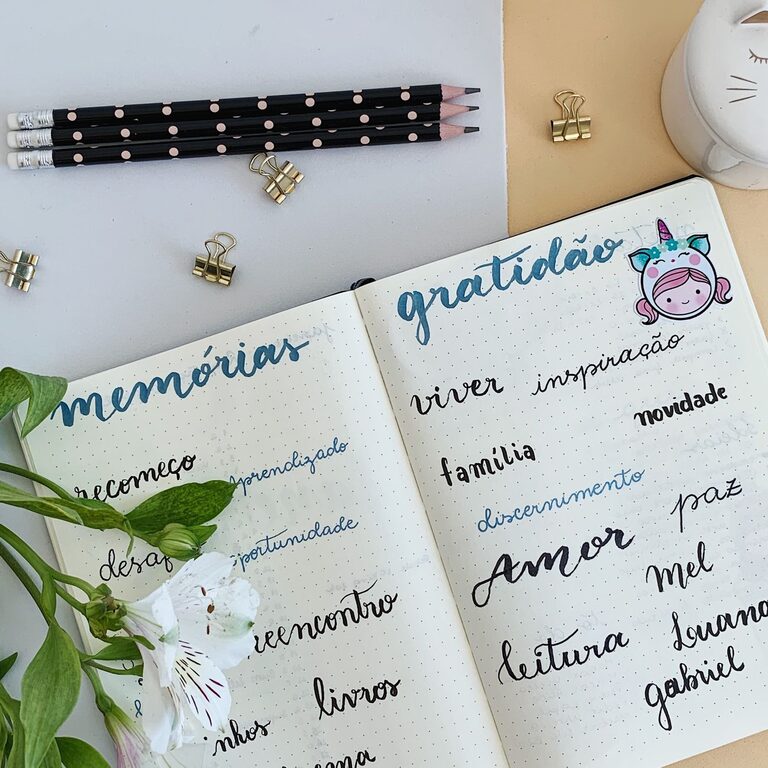
How to Start a Gratitude Journal to Boost Your Well-Being
Gratitude journaling is a simple yet powerful practice that helps you focus on the positive aspects of your life. By regularly writing down things you are thankful for, you can improve your mood, increase happiness, and reduce stress. If you’re new to gratitude journaling, this guide will walk you through how to start your own journal and make it a meaningful daily habit.
What Is a Gratitude Journal?
A gratitude journal is a personal notebook or digital document where you record things you appreciate each day. It can include anything from big events to small moments — like a kind gesture, a beautiful sunset, or simply a good cup of coffee.
The goal is to train your mind to notice positive experiences and acknowledge them regularly. This mindful focus helps shift your perspective from what’s lacking to what’s abundant in your life.
Benefits of Keeping a Gratitude Journal
– Improves mood: Writing about positive experiences can boost your overall happiness.
– Reduces stress: Gratitude has been linked to lower levels of anxiety and depression.
– Enhances relationships: Recognizing others’ kindness promotes stronger connections.
– Increases mindfulness: You become more aware of the present moment and its gifts.
– Encourages optimism: Focusing on good things helps cultivate a hopeful mindset.
How to Start Your Gratitude Journal: A Step-by-Step Guide
1. Choose Your Journal Format
Decide whether you prefer writing by hand or typing on a device. Some options include:
– A dedicated notebook or diary
– A journal app on your phone or tablet
– A simple document on your computer
Choose whichever option feels most comfortable and accessible to you.
2. Set a Consistent Time for Journaling
Establish a daily routine by picking a specific time for your gratitude practice. Many people find the following times effective:
– Right after waking up
– Before going to bed
– During lunch breaks or quiet moments
Consistency helps form a lasting habit.
3. Start Small and Be Specific
You don’t need to write pages each day. Begin with 3 to 5 things you’re grateful for. Focus on specific details to make your entries more meaningful. For example:
– Instead of “I’m thankful for my family,” try “I’m grateful for the smile my daughter gave me this morning.”
– Instead of “I’m happy for my job,” try “I appreciate the support my coworker offered on a tough project.”
4. Use Prompts to Inspire You
If you’re unsure what to write, prompts can help jumpstart your thoughts. Some examples:
– What made you smile today?
– Name a challenge that taught you something valuable.
– What’s one thing about today you are thankful for?
– Who made a positive impact on your day?
5. Keep It Positive but Real
Gratitude journaling is about recognizing good things, but it doesn’t mean ignoring hardships. You can acknowledge difficult feelings while still appreciating moments of light and kindness.
6. Reflect on Your Entries Periodically
Every once in a while, read back through your journal. This reflection can remind you of positive experiences you might have forgotten and reinforce feelings of gratitude.
Tips for Maintaining Your Gratitude Journal
– Be patient: Like any habit, it takes time to feel natural.
– Keep your journal visible: Place it somewhere easy to access, like your nightstand.
– Mix up your entries: Write lists, stories, or even draw if that inspires you.
– Avoid judgment: Don’t worry about grammar or style — just write honestly.
– Include gratitude for yourself: Acknowledge your own strengths and efforts.
Gratitude Journal Ideas to Keep You Motivated
– Use colorful pens or stickers to make journaling fun.
– Incorporate photos or mementos alongside your entries.
– Share your gratitude with a friend or family member.
– Set monthly gratitude goals or themes.
Final Thoughts
Starting a gratitude journal is a simple practice that can bring more joy and calm into your daily life. By dedicating just a few minutes each day to focus on what you appreciate, you can build a positive mindset and enhance your overall well-being. Remember, there’s no right or wrong way to keep a gratitude journal — the most important part is to begin and enjoy the process.
Take the first step today and start writing down the good things in your life. Your future self will thank you!