
How to Plan Meals Using Pantry Staples for Easy, Delicious Dinners
Planning meals from pantry staples is a smart and practical way to save time, reduce food waste, and create delicious dishes without frequent trips to the grocery store. Whether you’re working with a fully stocked pantry or just a few basics, you can design meals that are both satisfying and nutritious. In this post, we’ll guide you through effective ways to plan your meals using what you already have on hand, including tips on organizing, recipe ideas, and meal prep strategies.
Why Plan Meals from Pantry Staples?
Pantry staples are non-perishable or long-lasting food items that form the foundation of many meals. These can include canned goods, dried beans, rice, pasta, spices, and more. Planning meals around these ingredients offers several benefits:
– Convenience: You can quickly whip up meals without last-minute grocery runs.
– Cost-effective: Using what you already have reduces food waste and food costs.
– Flexibility: Pantry staples are versatile and can be combined in many ways.
– Emergency preparedness: You’ll always have meals ready, even when fresh ingredients are scarce.
Step 1: Assess and Organize Your Pantry
Before you start planning meals, take inventory of your pantry. This helps you know exactly what ingredients you have available and prevents buying duplicates.
– Sort items by category: Group canned goods, grains, baking supplies, spices, and snacks.
– Check expiration dates: Discard expired foods to keep your pantry safe.
– Note quantities: Knowing how much you have helps you plan recipes realistically.
– Organize for visibility: Arrange items so you can easily see and reach everything.
Step 2: Identify Your Pantry Staples
Common pantry staples that form the basis of many meals include:
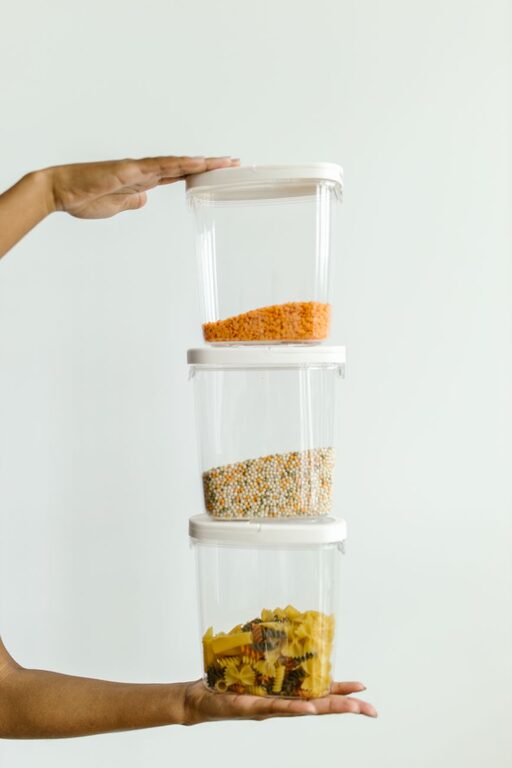
– Grains: Rice, pasta, quinoa, couscous, oats
– Legumes: Canned or dried beans, lentils, chickpeas
– Canned goods: Tomatoes, vegetables, tuna, broth
– Baking ingredients: Flour, sugar, baking powder, yeast
– Spices and herbs: Salt, pepper, garlic powder, chili flakes, dried herbs
– Oils and vinegars: Olive oil, vegetable oil, apple cider vinegar, balsamic vinegar
Having a diverse selection expands your meal possibilities.
Step 3: Plan a Weekly Menu Based on Your Staples
Use your pantry inventory to sketch out a meal plan for the week. Consider mixing and matching ingredients to keep meals interesting. Here are some tips:
– Start with a protein: Beans, lentils, or canned tuna can be your base.
– Add a grain: Pair your protein with rice, pasta, or quinoa.
– Include vegetables: Use canned, frozen, or fresh produce.
– Flavor with spices: Experiment with different spices and herbs to change the dish’s character.
Sample Meal Ideas Using Pantry Staples
– Chickpea Curry: Simmer canned chickpeas with canned tomatoes, coconut milk (if available), and curry spices. Serve over rice.
– Pasta with Tuna and Tomato Sauce: Toss cooked pasta with canned tuna, canned tomato sauce, garlic, and chili flakes.
– Lentil Soup: Cook lentils with broth, canned vegetables, onions, and spices for a hearty soup.
– Rice and Bean Bowl: Mix cooked rice with seasoned black beans, corn (canned or frozen), salsa, and a squeeze of lime.
– Vegetable Stir-fry: Use canned or frozen vegetables sautéed with garlic, soy sauce, and olive oil served over quinoa.
Step 4: Adapt Recipes According to What You Have
Flexibility is key when cooking from pantry staples. Here’s how to adjust recipes:
– Substitute similar ingredients: Use kidney beans instead of black beans, or spaghetti instead of penne.
– Mix canned and fresh or frozen ingredients for variety and nutrition.
– Adjust seasoning levels to taste, and try adding fresh herbs if available.
Step 5: Batch Cooking and Meal Prep
Planning meals from pantry staples is even easier when you batch cook:
– Cook grains in large quantities: Prepare rice or pasta ahead and store in the fridge.
– Make large pots of soups or stews: Freeze portions for future meals.
– Prepare sauces or spice blends: Having these ready saves time on busy days.
Batch cooking can also free up time and make healthier choices simpler.
Step 6: Keep a Running Shopping List
Even if you rely mostly on pantry items, some fresh produce or proteins may be needed. Keep a list for when you run out of staples or want to add fresh ingredients.
Additional Tips for Pantry Meal Planning
– Rotate stock regularly: Use older items first to prevent spoilage.
– Learn preservation methods: Dry beans and grains last long, but you can also freeze some items.
– Stay creative: Experiment with international cuisines that use different pantry staples.
– Involve family members: Get everyone to suggest meals or help with cooking.
Conclusion
Planning meals from pantry staples is a simple way to enjoy home-cooked food with less stress. By organizing your pantry, understanding your staple ingredients, and being creative with recipes, you can make mealtime easier and more enjoyable. With a little planning and preparation, your pantry can become the heart of your kitchen, helping you cook satisfying meals anytime.
Happy cooking!
