
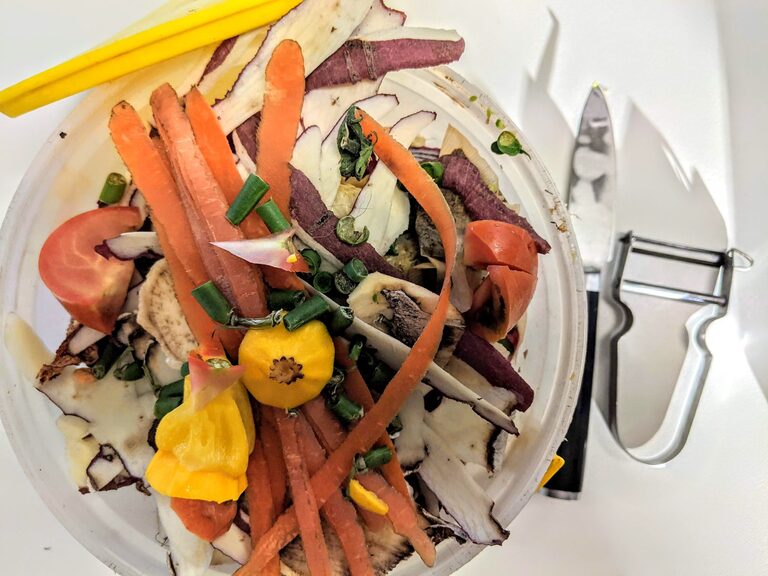
Practical Ways to Reduce Food Waste at Home
Reducing food waste at home is a great way to save money, minimize environmental impact, and make the most of the food you buy. Every year, millions of tons of edible food end up in the trash, which contributes to unnecessary greenhouse gas emissions and wastes resources like water and energy. Fortunately, there are many straightforward strategies you can adopt to reduce food waste in your daily life. Here’s a comprehensive guide to help you get started.
Understand Why Food Waste Happens
Before diving into solutions, it helps to know the common reasons food is wasted at home:
– Buying more than you need
– Improper storage causing spoilage
– Forgetting about food in the fridge or pantry
– Cooking or serving too much food
– Discarding edible parts or leftovers
By recognizing these causes, you can target your efforts to prevent waste effectively.
Plan Your Meals and Shopping
Make a Weekly Meal Plan
Planning meals ahead of time helps you buy only what you need. Write down recipes you want to try and list the ingredients required. This prevents impulse purchases and reduces the chance of food going unused.
Create a Smart Shopping List
Use your meal plan and current pantry inventory to make a detailed shopping list. Stick to it while shopping to avoid buying duplicates or items that won’t get eaten.
Shop More Frequently in Smaller Trips
If possible, try shopping more often for fresh produce instead of buying large quantities at once. This reduces the chance that fresh fruits and vegetables will spoil before use.
Store Food Properly
Understand How to Store Different Foods
Proper storage extends the shelf life of your groceries:
– Keep leafy greens wrapped in a paper towel inside a breathable bag in the fridge.
– Store root vegetables like potatoes and onions in a cool, dark place, away from each other.
– Use airtight containers for leftovers and opened packages.
Use Clear Containers and Labels
Transparent containers let you see what’s inside. Label items with the date you stored them to help prioritize eating older food first.
Organize Your Fridge and Pantry
Place newer items behind older ones so older foods get used first. Keep foods that spoil quickly in eye-level spots where you’ll notice them often.
Use Leftovers Creatively
Repurpose Leftover Ingredients
Leftover veggies can be turned into soups, stir-fries, or smoothies. Stale bread works great for croutons or breadcrumbs.
Adopt Batch Cooking and Freezing
Cook larger portions and freeze single-serving meals or ingredients. This reduces waste if you can’t eat everything before it spoils.
Share with Family or Neighbors
If you have excess food, consider sharing with friends, family, or neighbors. Many communities have networks or apps that allow food sharing.
Practice Portion Control
Serve Smaller Amounts
Start with smaller servings to prevent uneaten food on plates. You can always go back for seconds if still hungry.
Use Smaller Plates
Smaller plates naturally encourage smaller portions, helping reduce the amount of food that gets thrown away.
Compost Food Scraps
Even with all efforts to reduce waste, some food scraps are unavoidable. Composting turns organic waste into nutrient-rich soil.
Start a Simple Compost Bin
You can compost fruit peels, coffee grounds, and vegetable scraps at home. This reduces landfill waste and benefits your garden if you have one.
Learn What Not to Compost
Avoid composting meat, dairy, or oily foods as they can attract pests and create odor.
Monitor and Adjust Your Habits
Keep a Food Waste Journal
Track what you throw away for a week to identify patterns. Are you buying too much produce? Cooking too many potatoes? Adjust accordingly.
Educate Everyone in the Household
Getting all family members involved makes food waste reduction easier and more effective.
Benefits of Reducing Food Waste
– Saves money by using food fully
– Reduces environmental impact
– Helps you eat healthier by planning meals better
– Encourages mindful consumption habits
Summary
Reducing food waste at home is achievable through simple changes like planning meals, storing food properly, and getting creative with leftovers. By making small adjustments to your shopping, cooking, and eating habits, you can decrease waste, save money, and contribute to a healthier planet. Start implementing these tips today and enjoy the benefits of a more sustainable kitchen routine.
